


3D Modeling for Architecture, Terrain and Industrial Models
We create digital 3D models for architectural model making, terrain models, topographic models, industrial plant models and presentation objects. The 3D model is often the most important working basis for a later physical model: it clarifies dimensions, proportions, construction logic, terrain heights and visible details before production begins.
A well-prepared digital model helps decisions to be made at an early stage and reduces possible uncertainties before manufacturing. Scale, shape, technical elements and the overall appearance of the model can therefore be assessed more clearly.
Whether the project begins with a hand sketch, photographs, drone images, 2D drawings as PDF files or an existing 3D model, we prepare the available material so that it can be used for visualisation, coordination and model making. Even if the initial information is not yet complete, a useful first modeling approach can often be developed.
What We Create
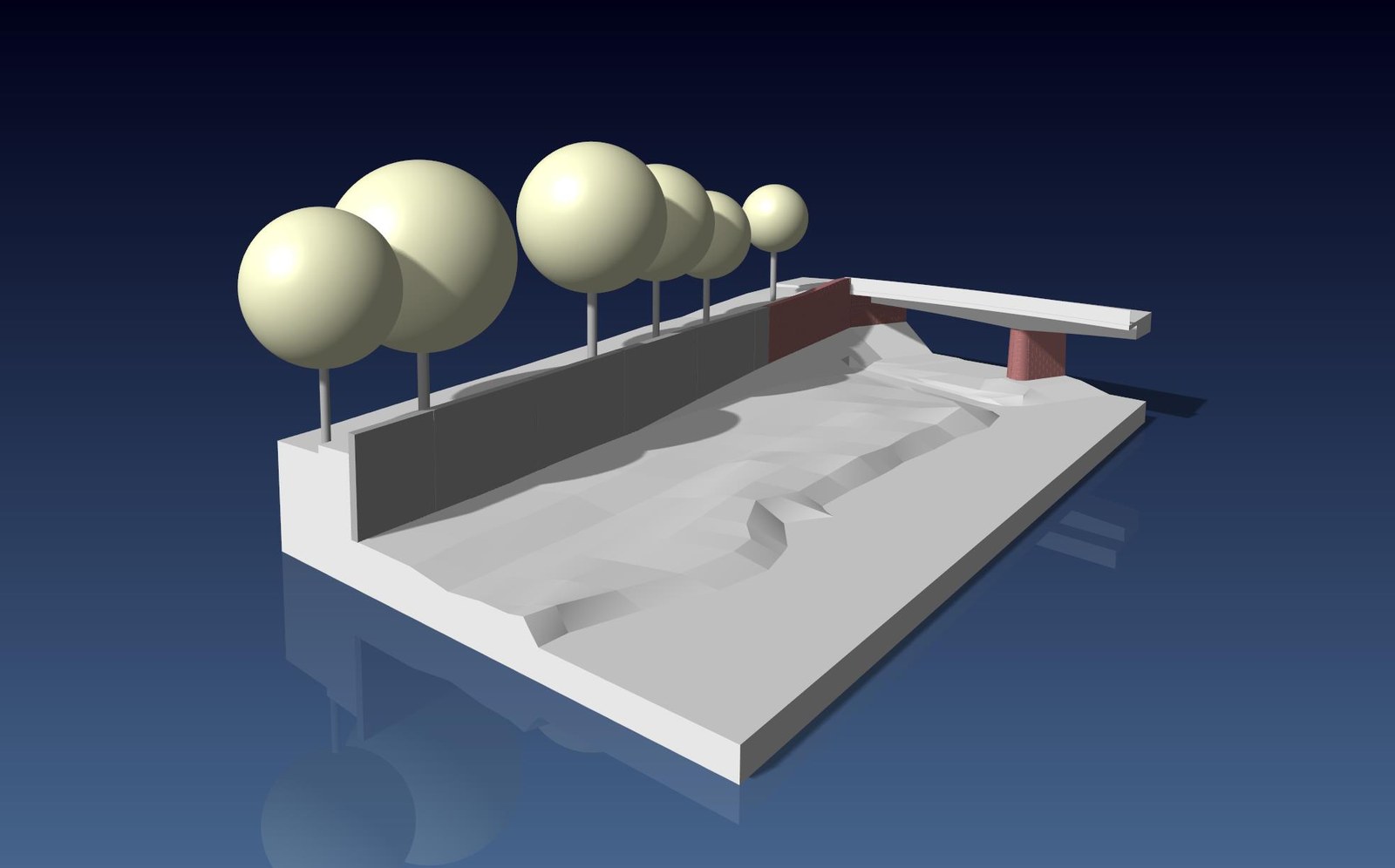
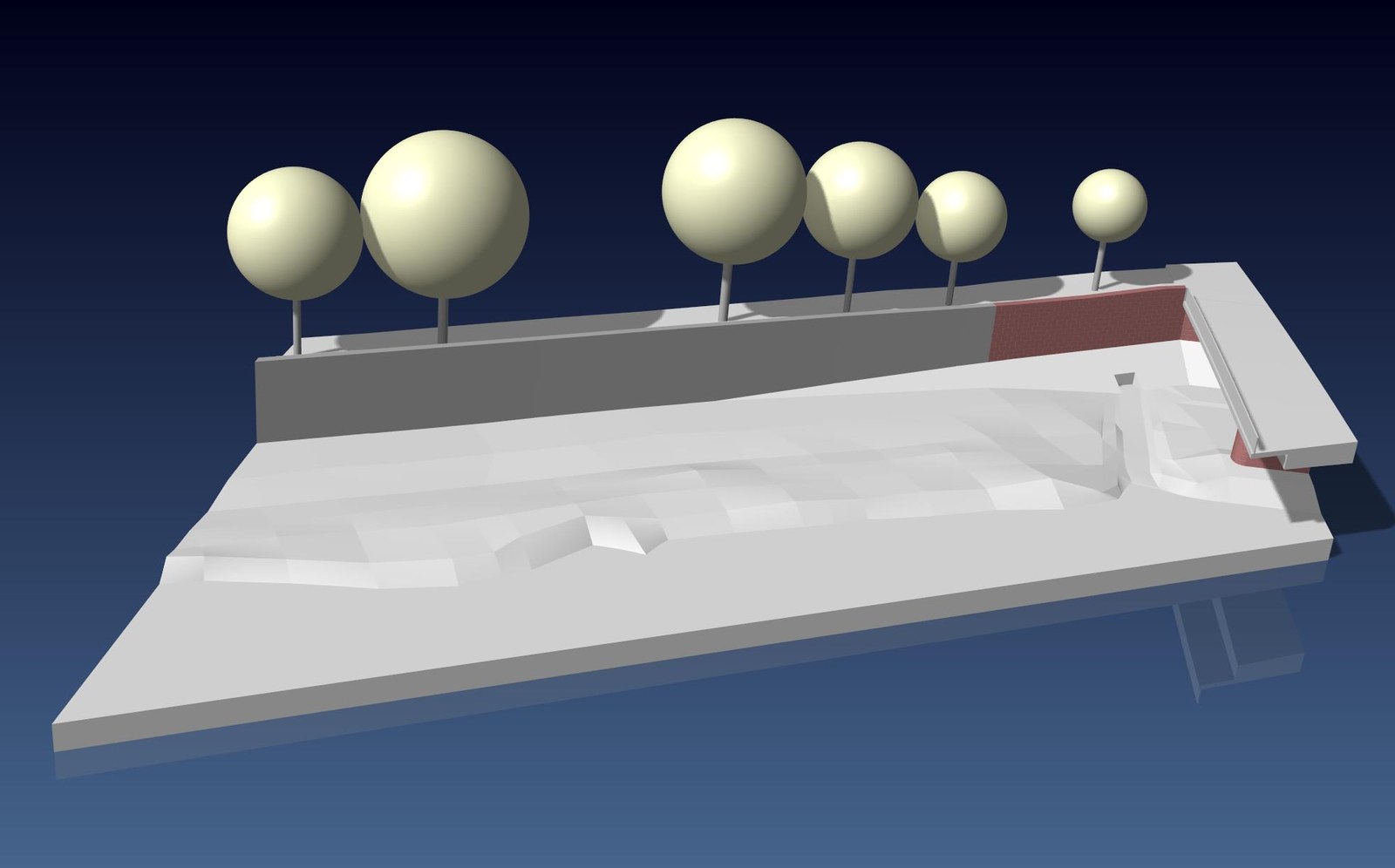
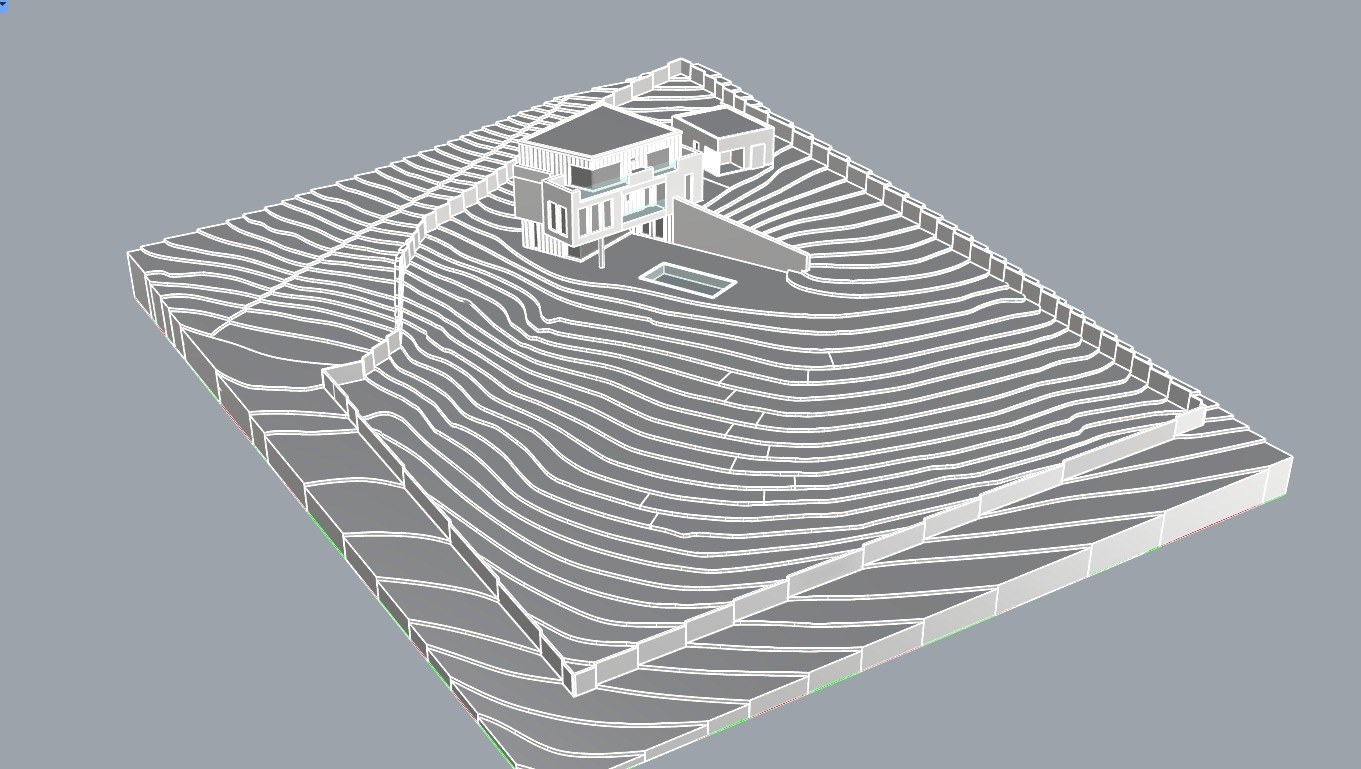
Digital Terrain and Topographic Models
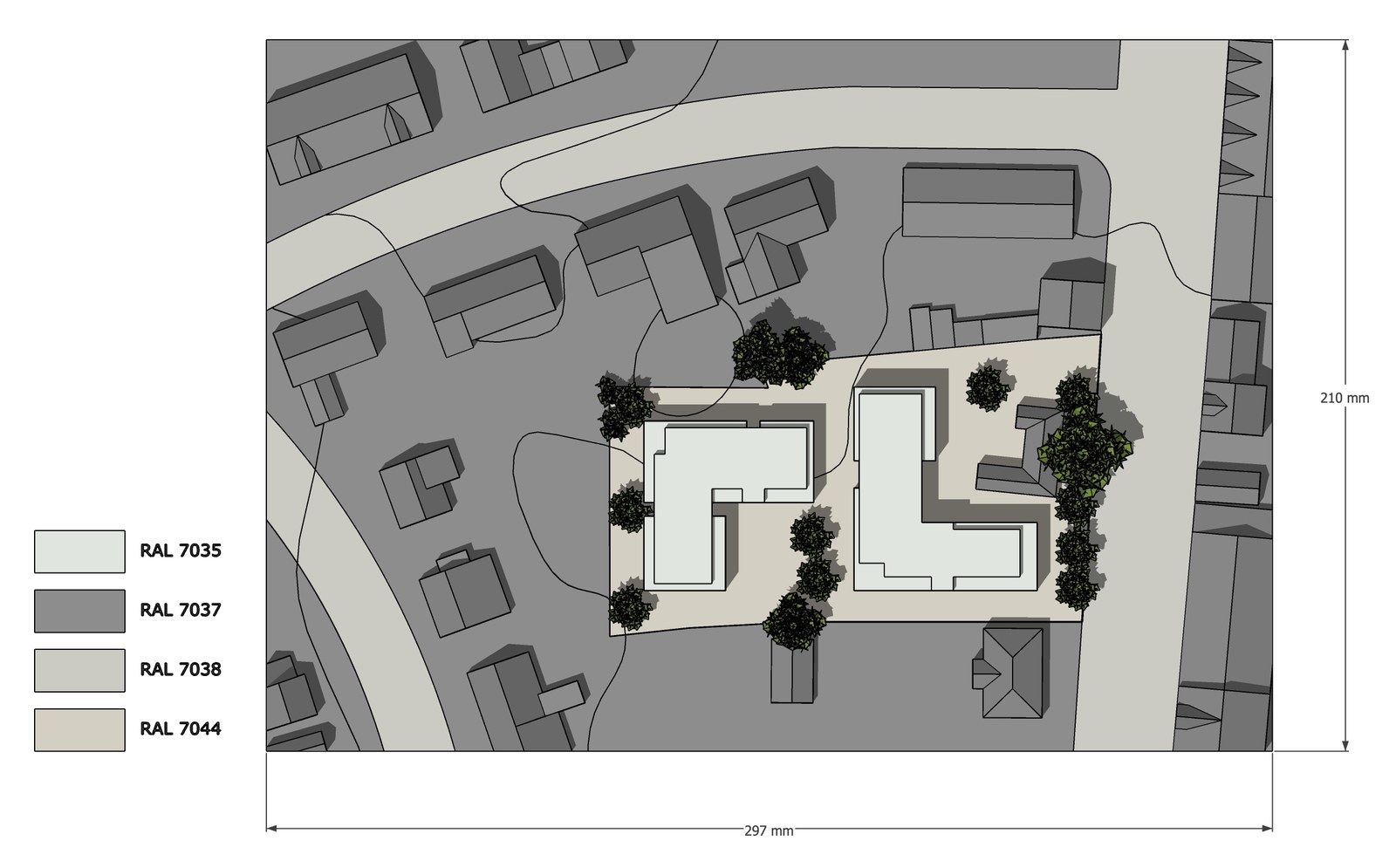
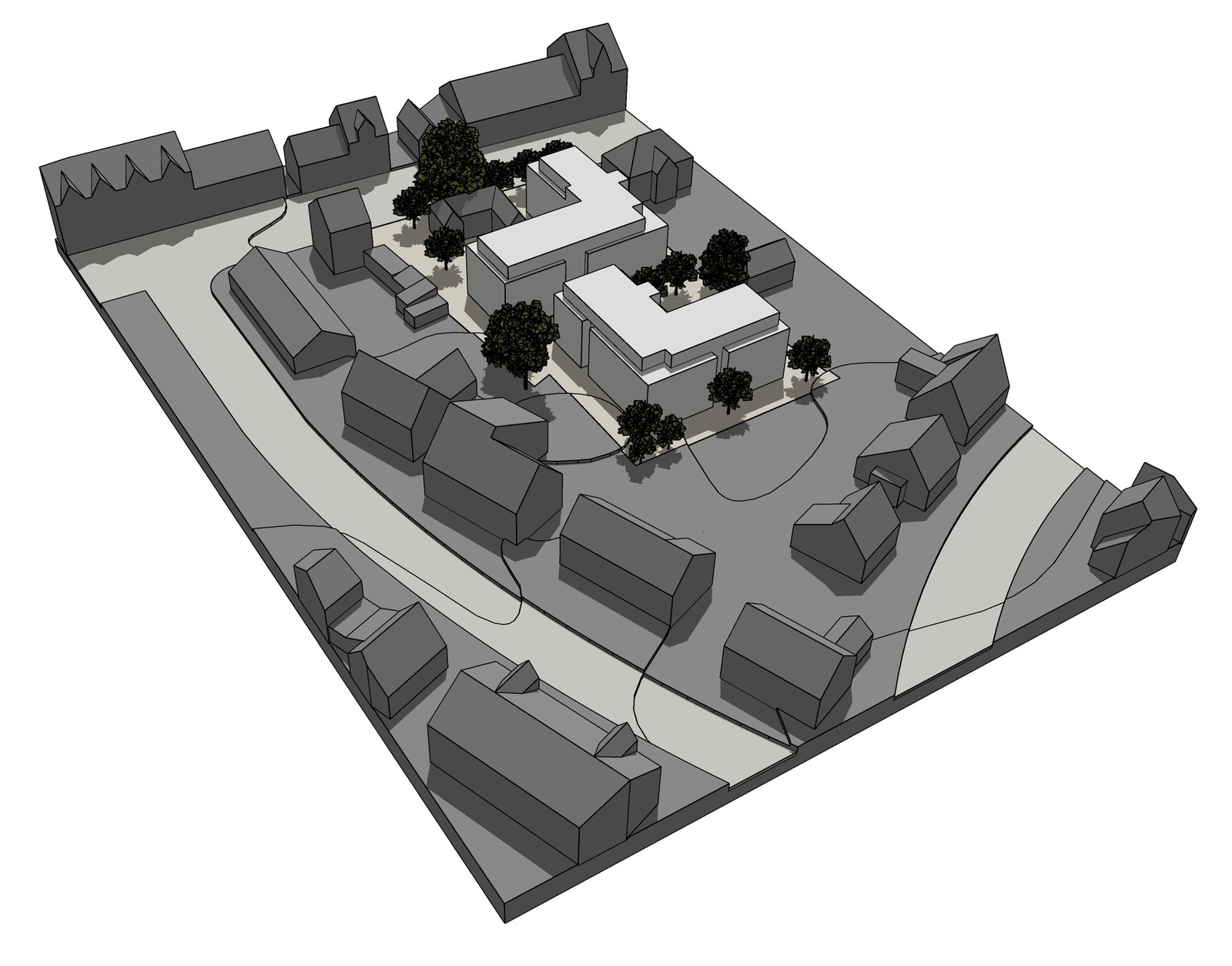
We create digital terrain models and topographic models for landscape presentations, urban planning, infrastructure projects and architectural context models. Drawings, maps, measurements, photographs or drone images can be used as a basis.
Terrain heights, slopes, paths, water areas, property boundaries, road layouts or surrounding buildings can be included. These models help to understand a project better in its spatial context and can later be used as a basis for a physical terrain or presentation model.
Digital Building and Architectural Models
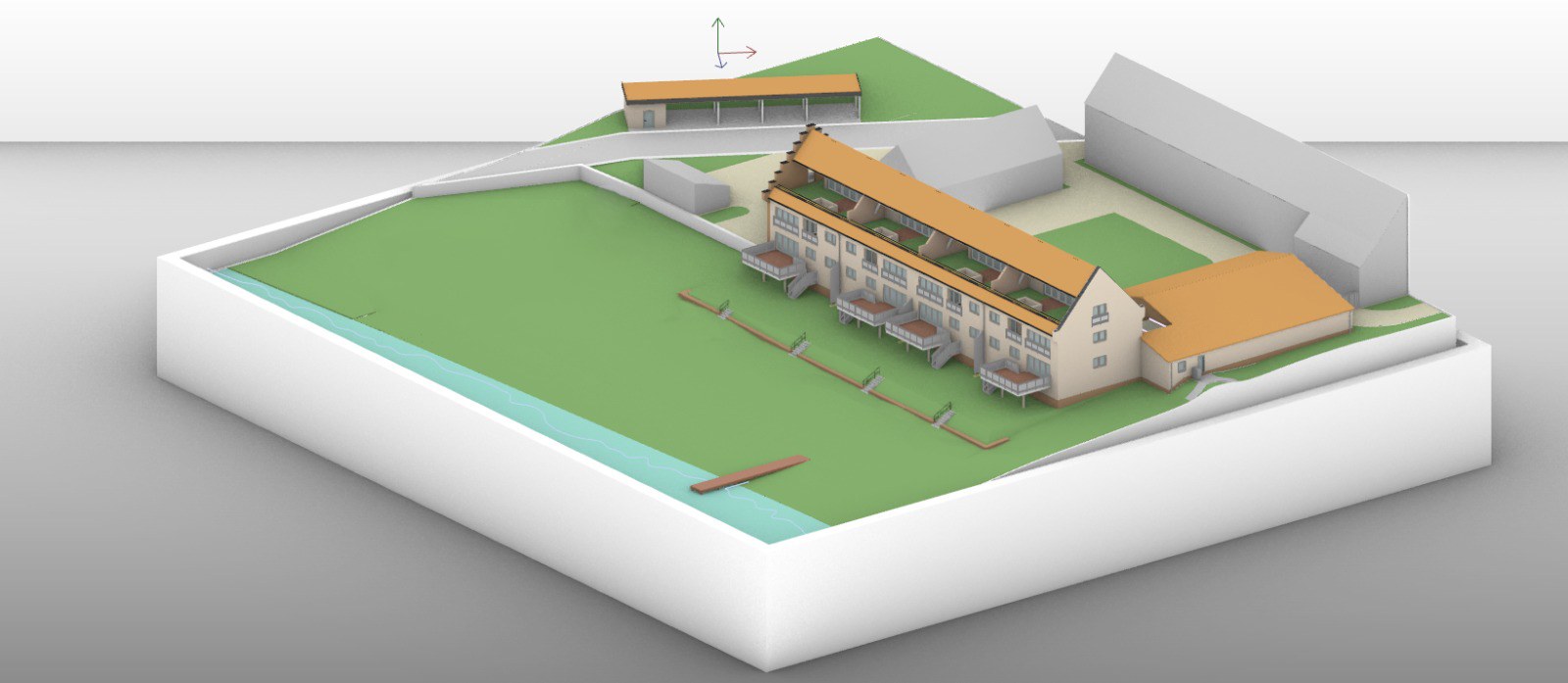
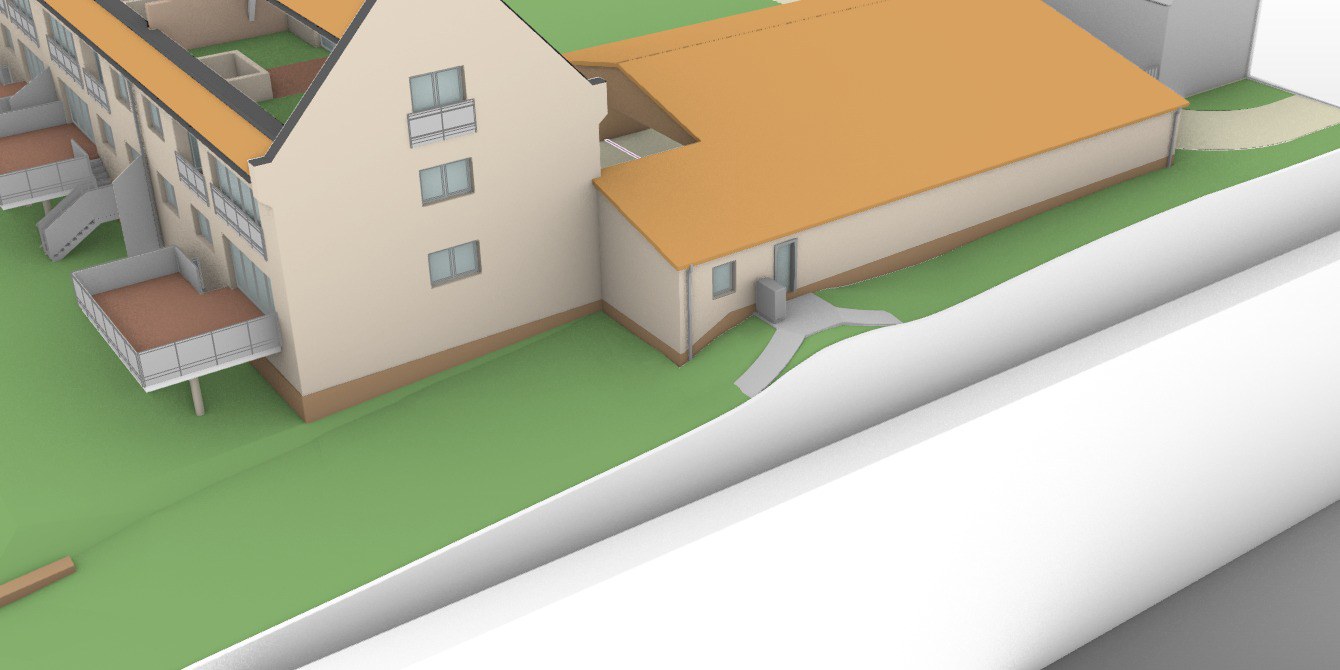
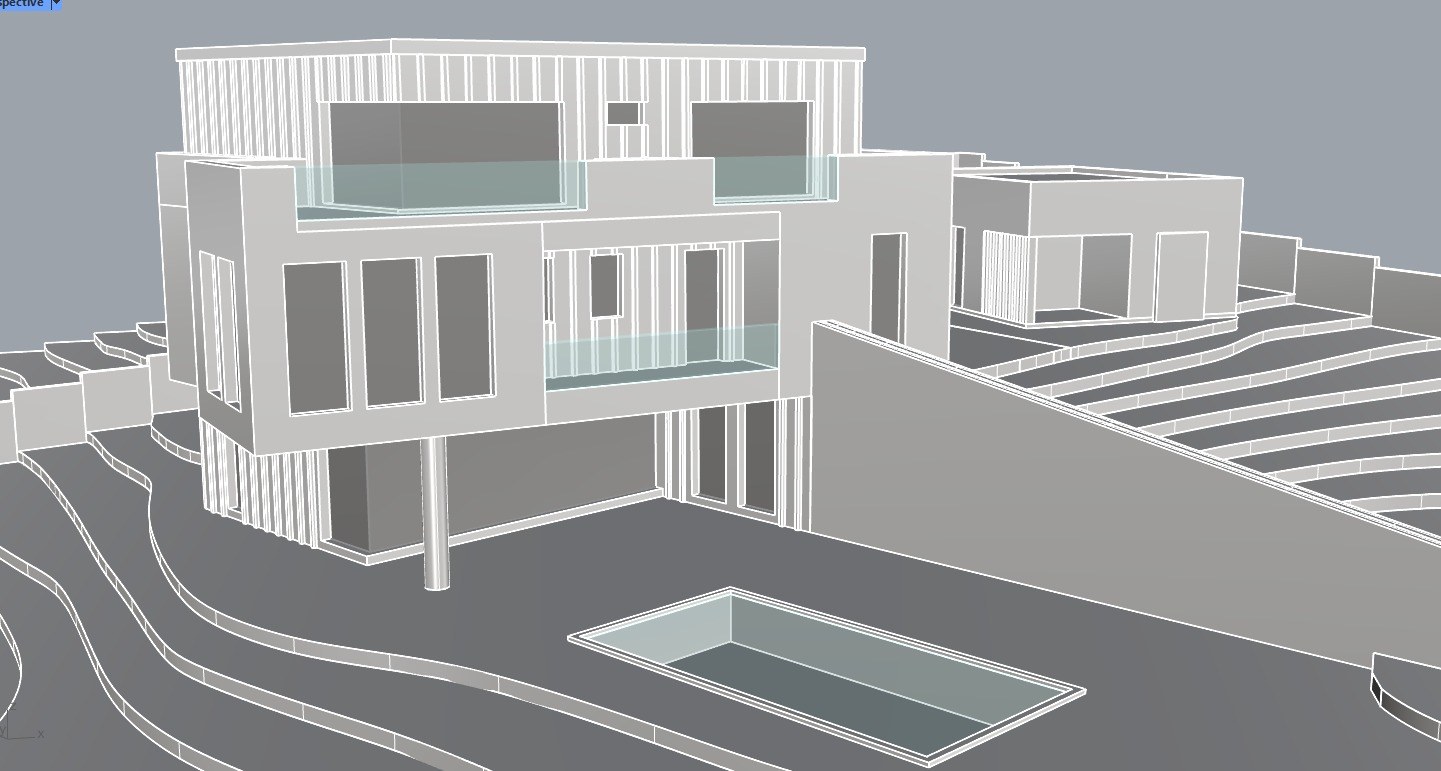
We develop digital building models for architectural presentations and for the production of physical architectural models. Depending on the purpose, the model can be prepared as a simple volume model or as a more detailed architectural model with façade structure, building volumes and relevant design elements.
An architectural model can serve different purposes: it can show the basic shape of a building, explain the relationship to its surroundings or make important design details visible. The required level of detail is adapted to the later use — for example for competitions, presentations, internal coordination or trade fair appearances.
Digital Industrial Plant Models
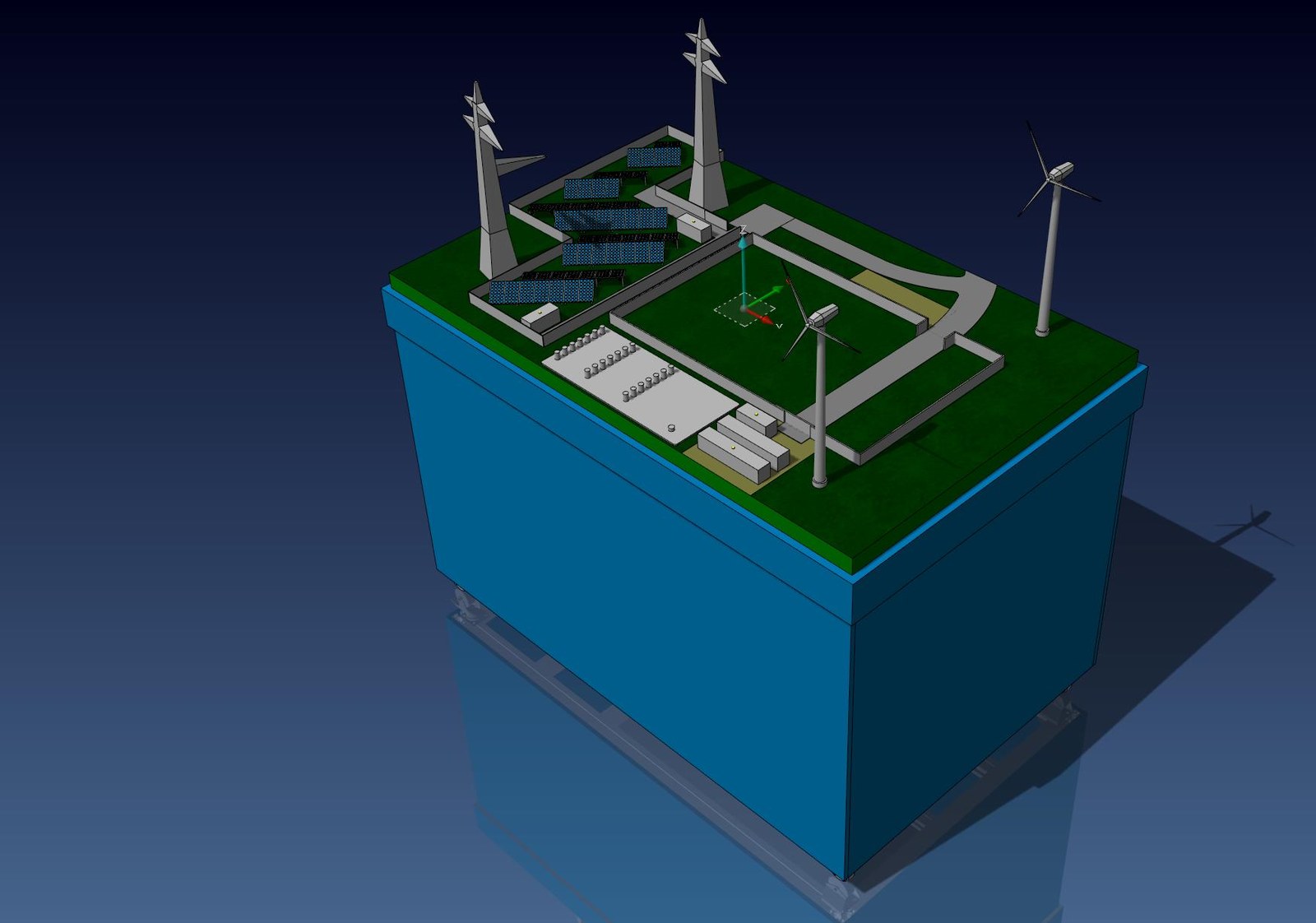
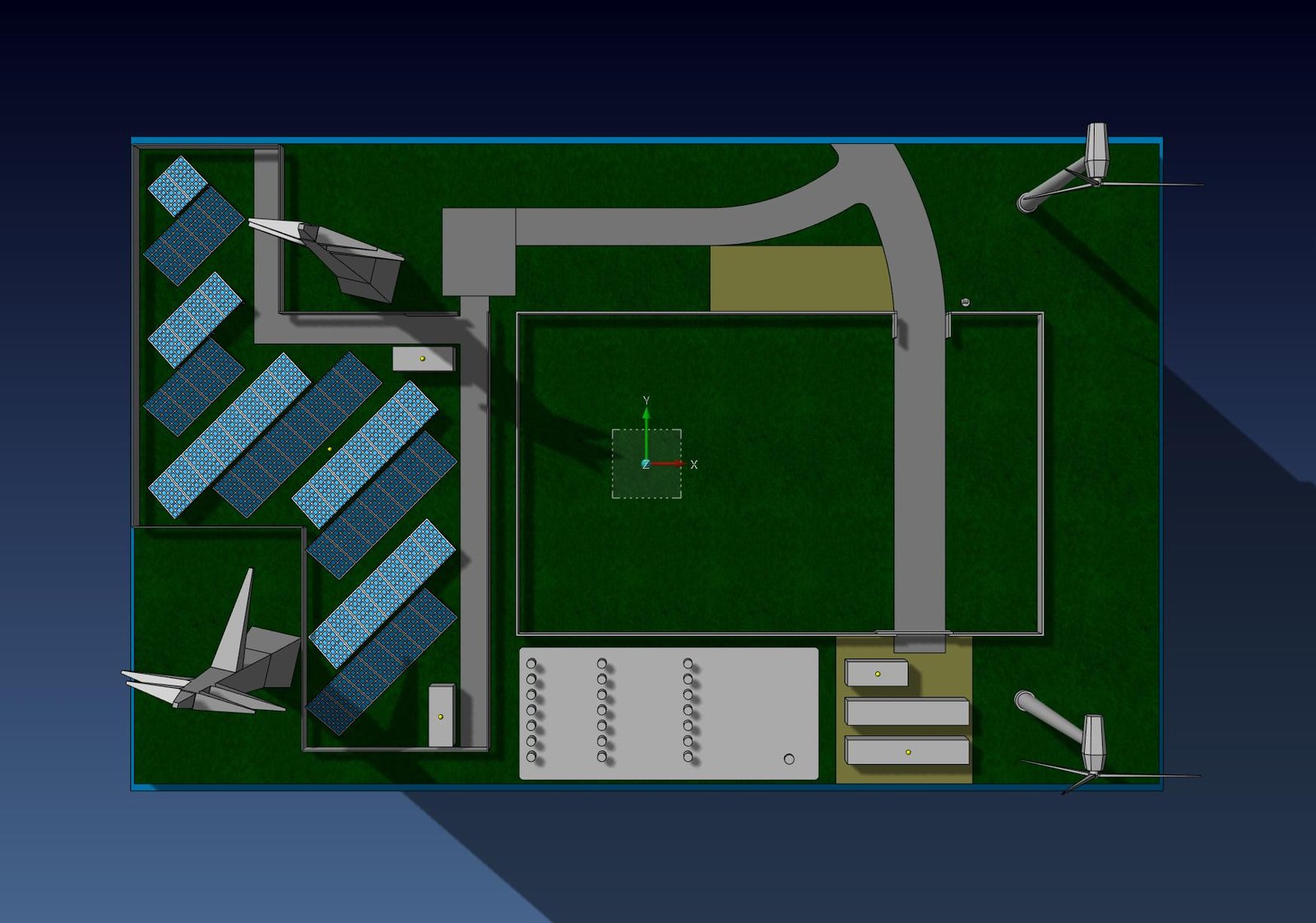
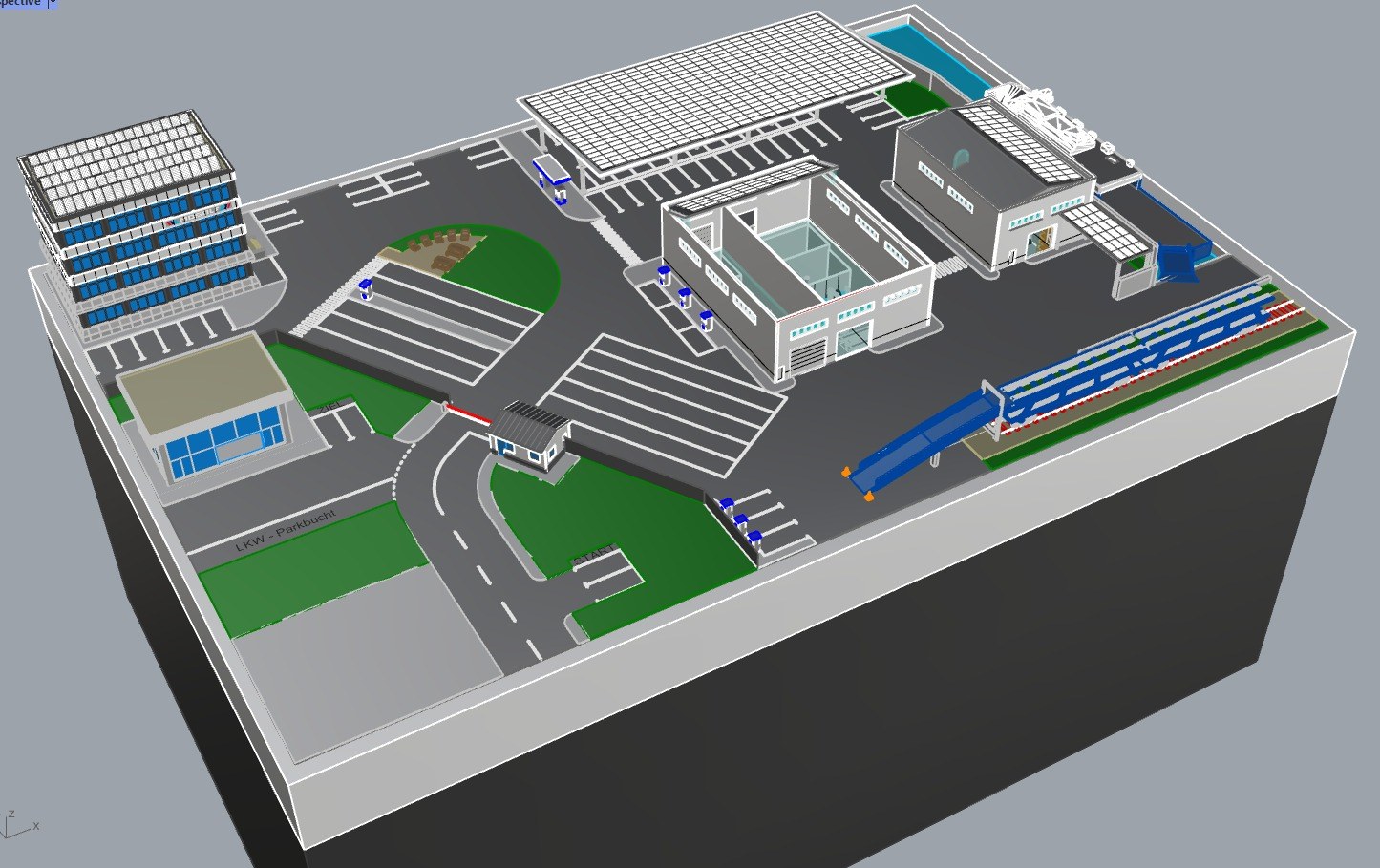
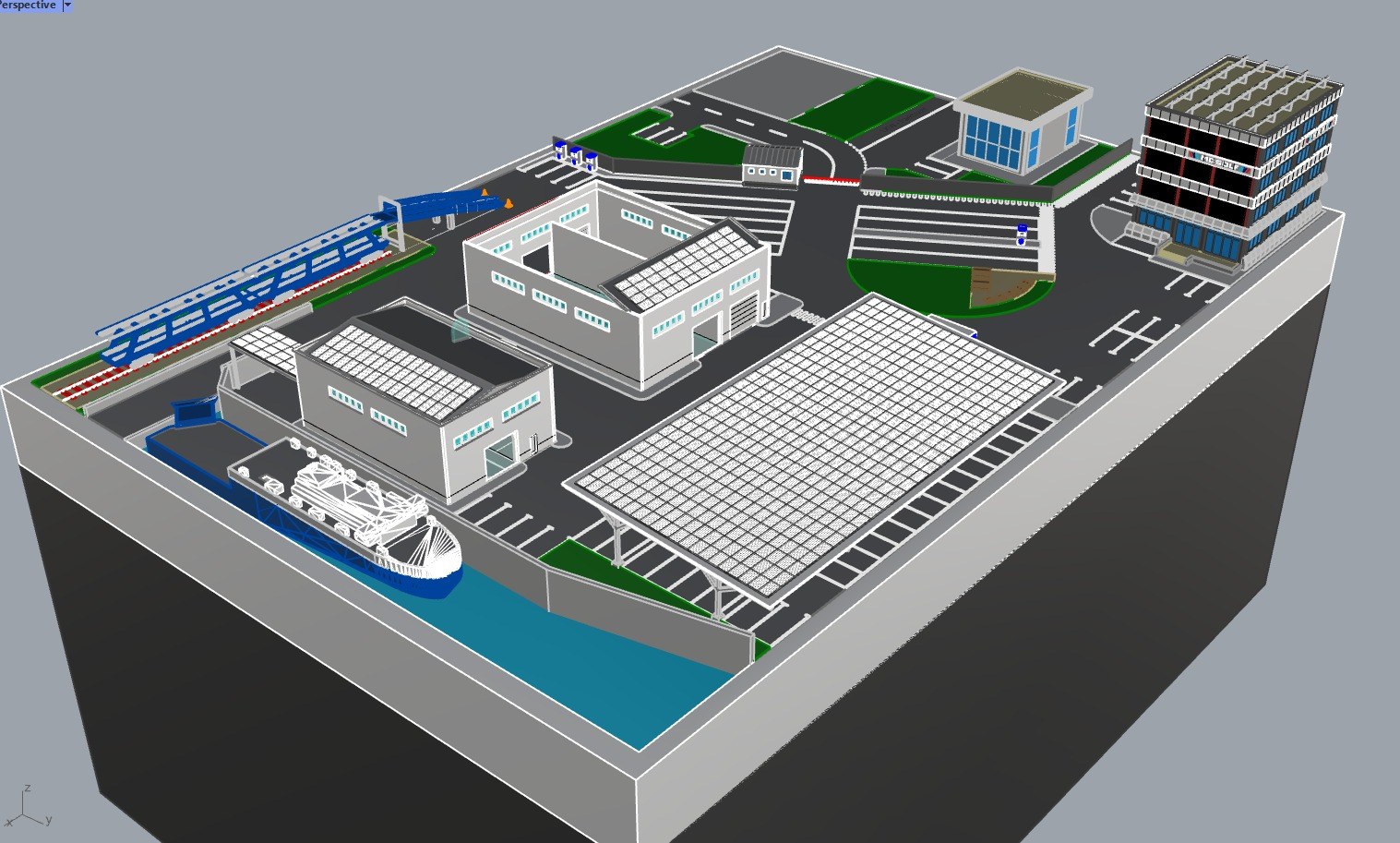
We create digital models of industrial plants, technical structures and production environments. These models are suitable for trade fair presentations, sales models, planning coordination and as a precise basis for physical industrial models.
Buildings, pipelines, technical installations, machine areas, support structures, traffic routes or other visible components can be shown in a simplified or more detailed way. The aim is to create an understandable model that presents complex industrial structures clearly and logically.
Lightweight Metal Frames and MDF Bases
In addition, we create visual representations of lightweight metal frames and MDF bases. This makes it easier to plan the construction, proportions and later appearance of the physical model before manufacturing begins.
These visualisations are especially useful when a model needs to be transportable, stable, modular or suitable for an exhibition. During the digital preparation stage, the height, material appearance, structure and connection between the model and its base can already be checked.
Source Materials for 3D Modeling
As a basis for 3D modeling, we can use:
- hand sketches
- photographs or drone images
- 2D drawings as PDF files
- 2D CAD drawings
- reference images
- measurements and technical notes
- maps or site plans
- a 3D model provided by the client
Incomplete documents are not always a problem. We can review the available material and define a practical modeling approach for the required level of detail. If certain information is missing, it can be added during coordination or represented in a simplified form.
From Digital Model to Physical Model
A cleanly prepared 3D model makes model production more reliable. It helps to check scale, proportions, terrain heights, building volumes and technical details before the physical model is built.
The digital model is not only used for visualisation, but also as a practical preparation for later production. It can help to plan production steps more efficiently, divide components logically and identify critical details at an early stage.
Our goal is to create 3D models that are clear and understandable for presentation purposes while also being practical for further architectural model making, industrial model making and trade fair model making. This creates a clear connection between digital planning and physical model production.
References
You can find the full gallery here: 3D Modeling Gallery
Our architectural models: References
Contact
Send us your sketches, drawings, photographs, drone images or existing 3D files. We will review the available material and help you find the best approach for 3D modeling and the subsequent model production.
We can also discuss which level of detail is suitable for your project and which data is needed for the next step.
