


Architectural Model Making in Stuttgart: Precise Models for Architecture, Urban Planning and Presentation
For projects in Stuttgart, we create architectural models, urban planning models, competition models, context models, exhibition models and presentation models. Stuttgart has a distinctive topography, dense urban structures and many demanding building tasks. A well-built model helps make these relationships understandable and presents design ideas clearly. We combine precise craftsmanship with digital preparation so that each model fits the project, the scale and the later use.
Whether for architects, developers, public clients, competitions or trade fair presentations, the model should not only look good but also fulfil a clear purpose. It can explain spatial relationships, make options comparable, show technical details or support a presentation emotionally. Our models are built to work in discussion and remain clean and convincing under close inspection.
Architectural Model Making: Insights into Our Fields of Work
1. Precision and attention to detail:
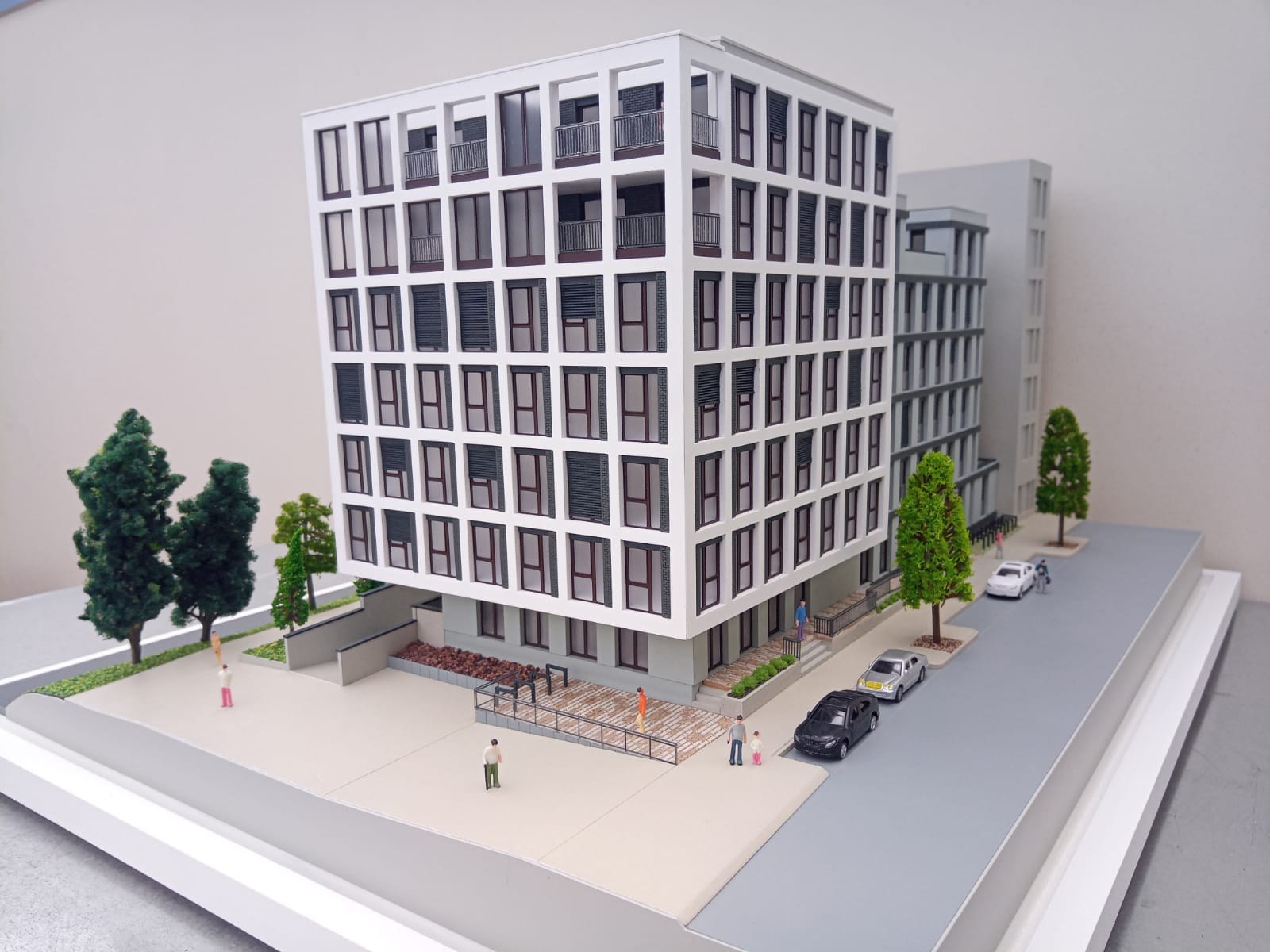
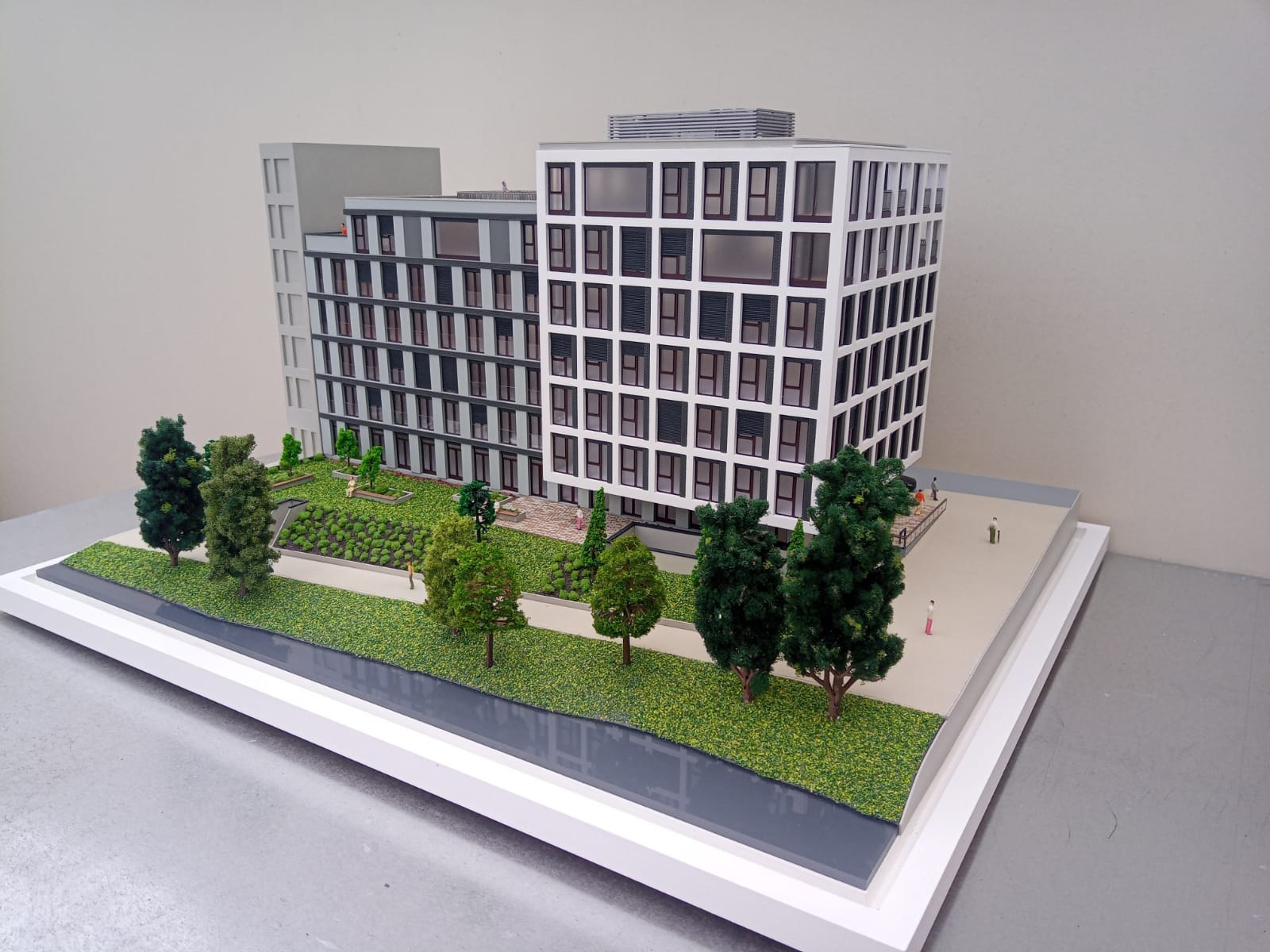
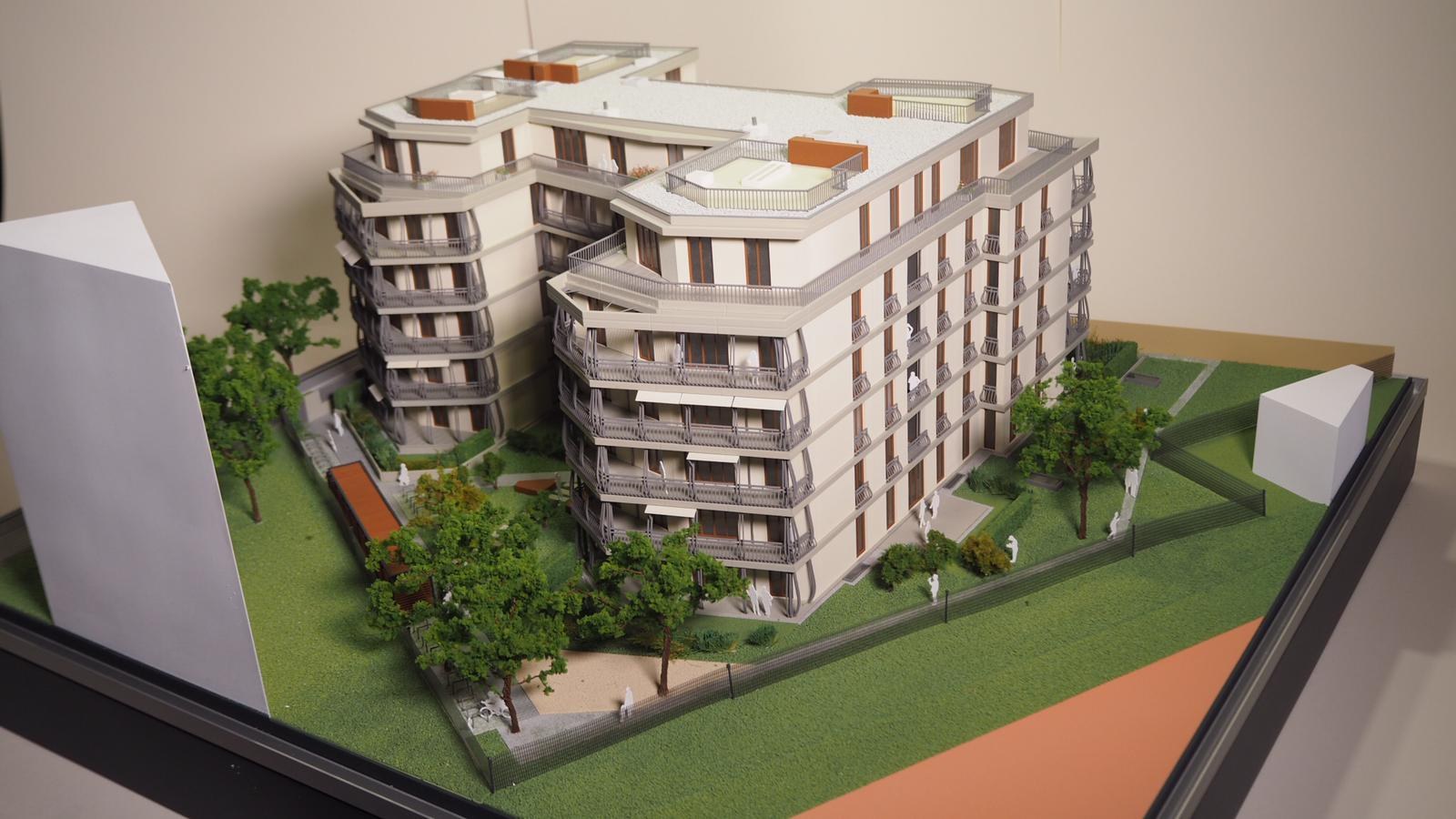
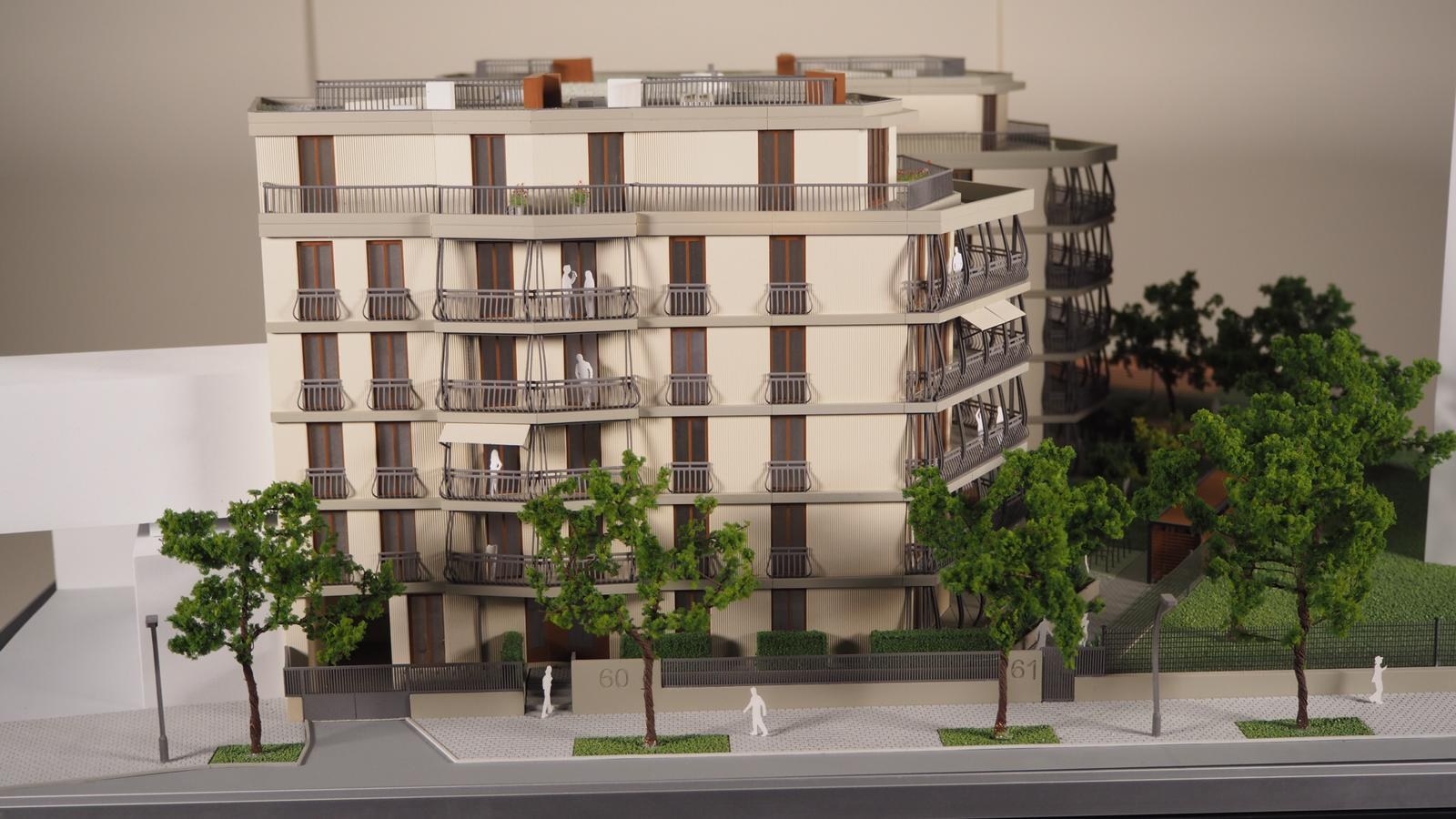
For projects in Stuttgart, architectural models need to show proportions, building volumes, facade structure and spatial relationships clearly. In a city with dense development, slopes and demanding project contexts, a precise model is a valuable basis for coordination and presentation. We focus on clean edges, readable scale and a calm overall appearance so that the project can be presented professionally. Depending on the purpose, the model can be deliberately reduced or developed with a higher level of visible detail. The result is a model that explains the design idea and supports reliable decision-making.
2. Industrial models:
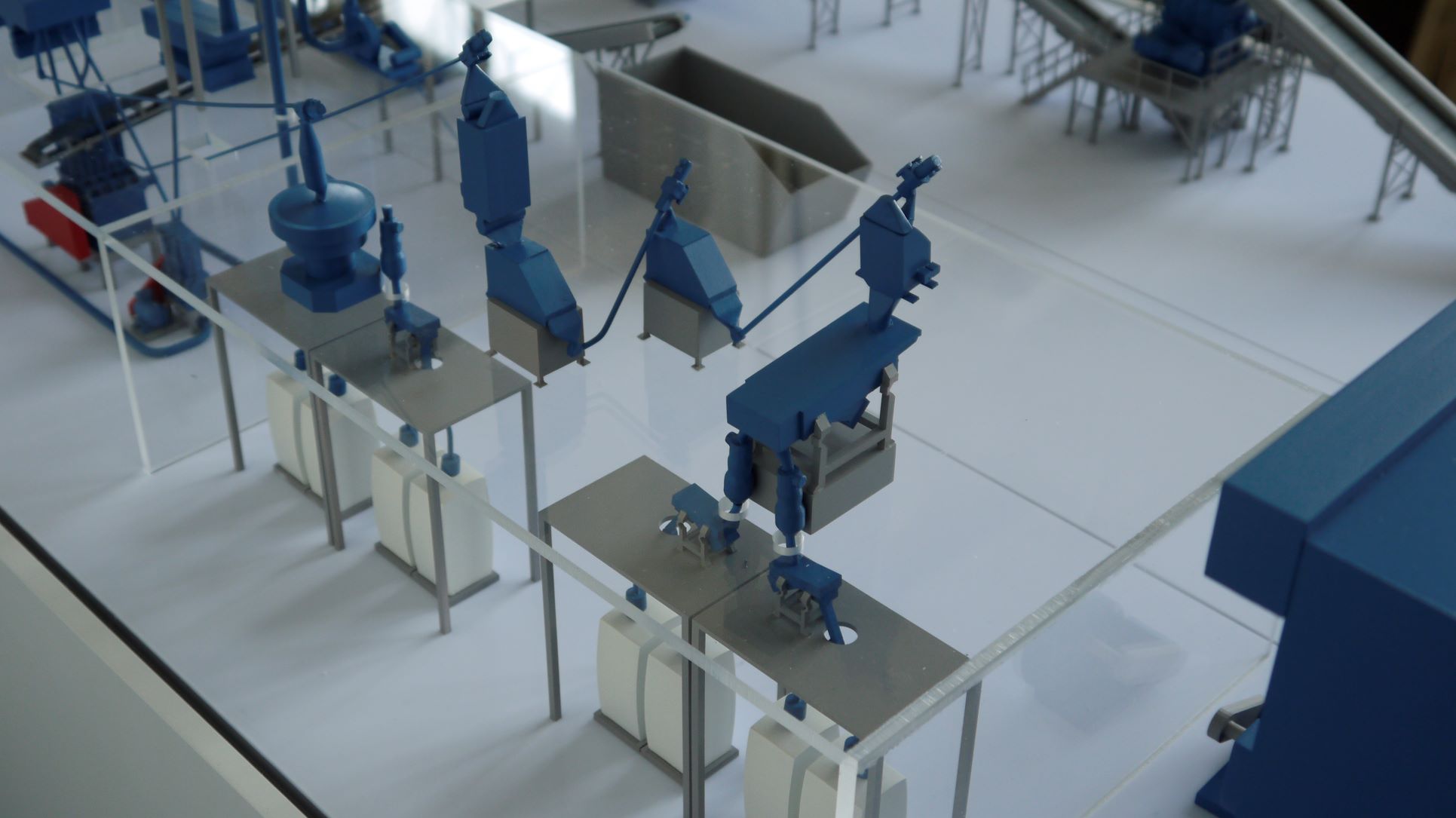
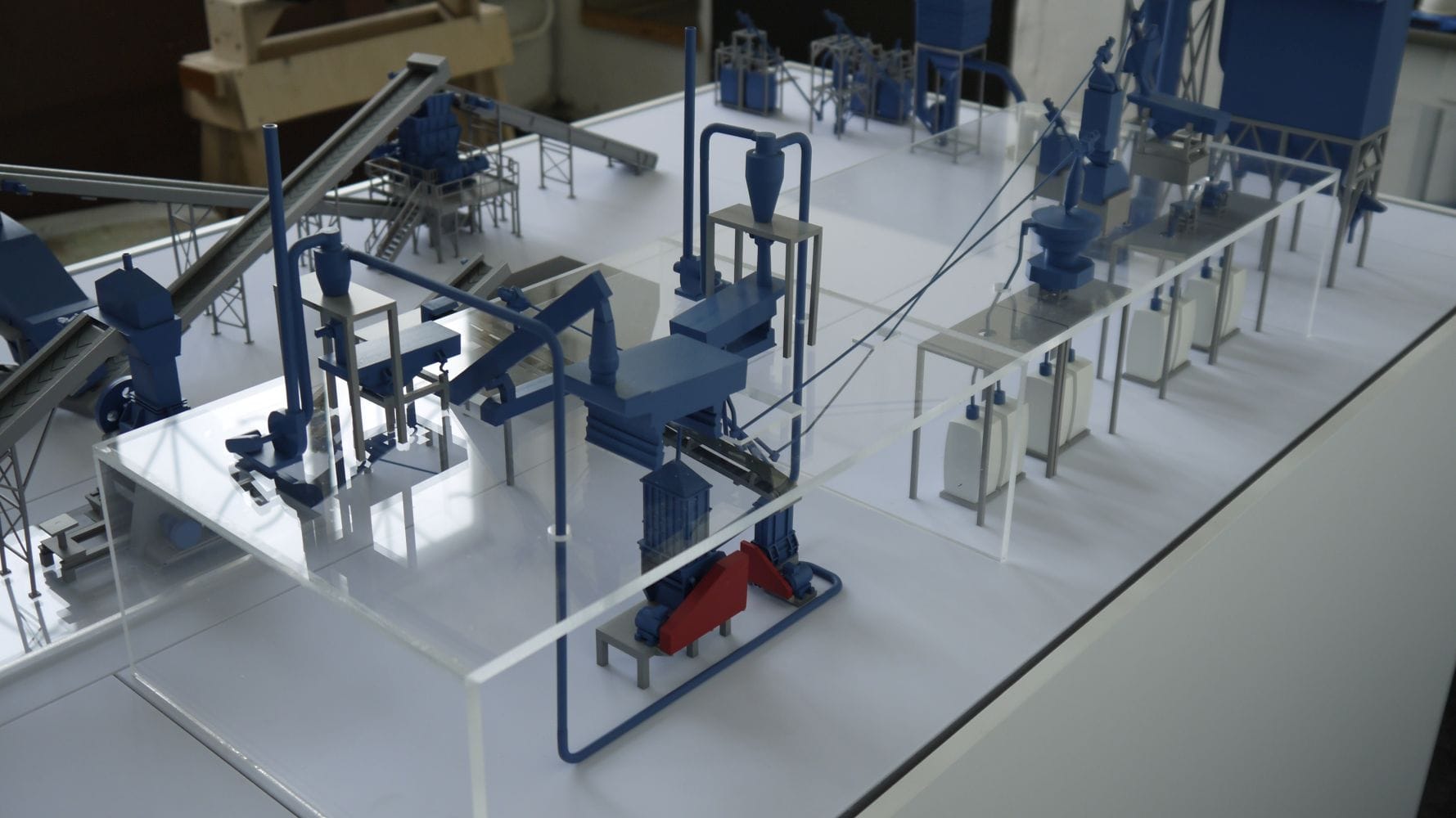
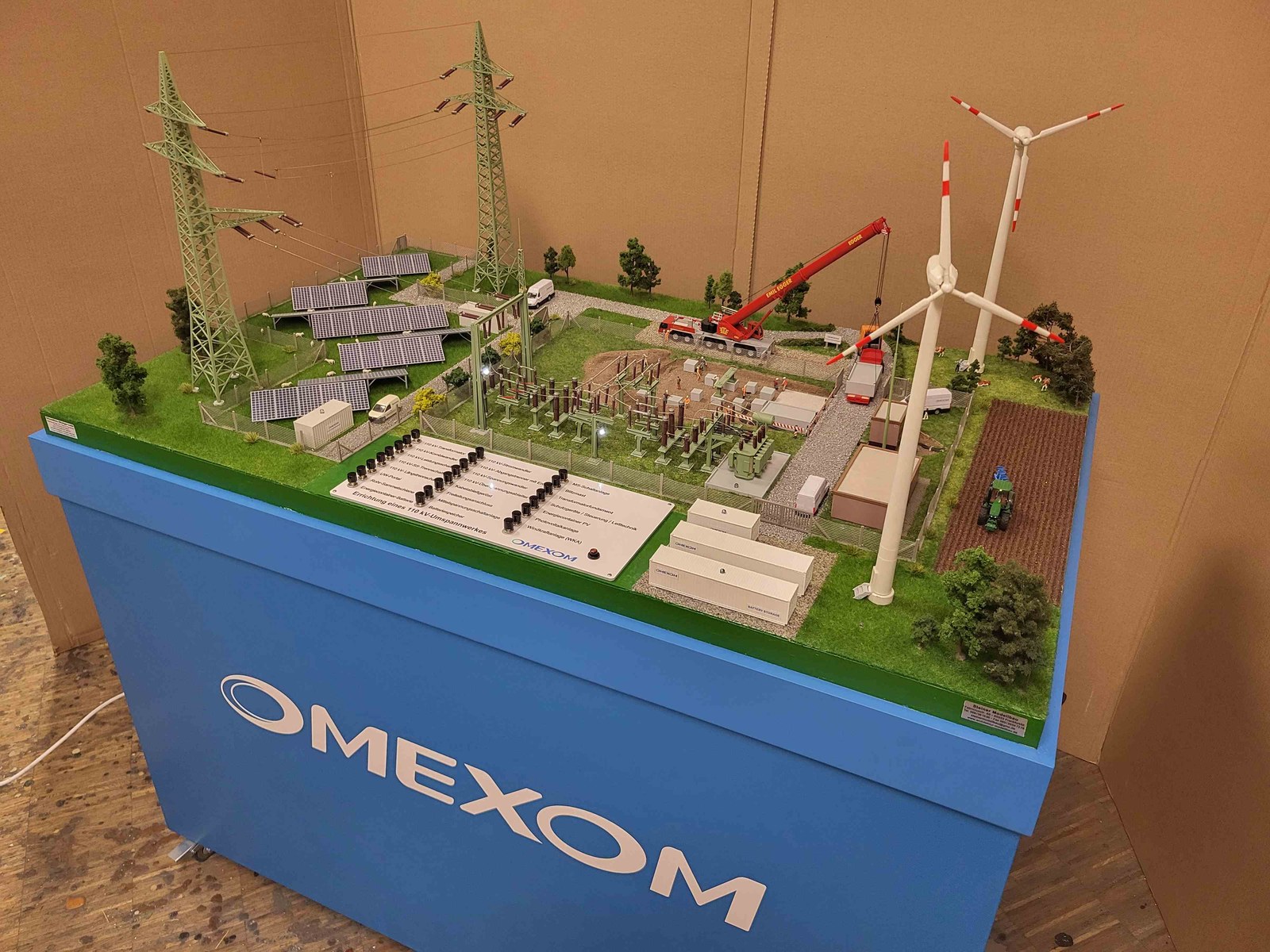
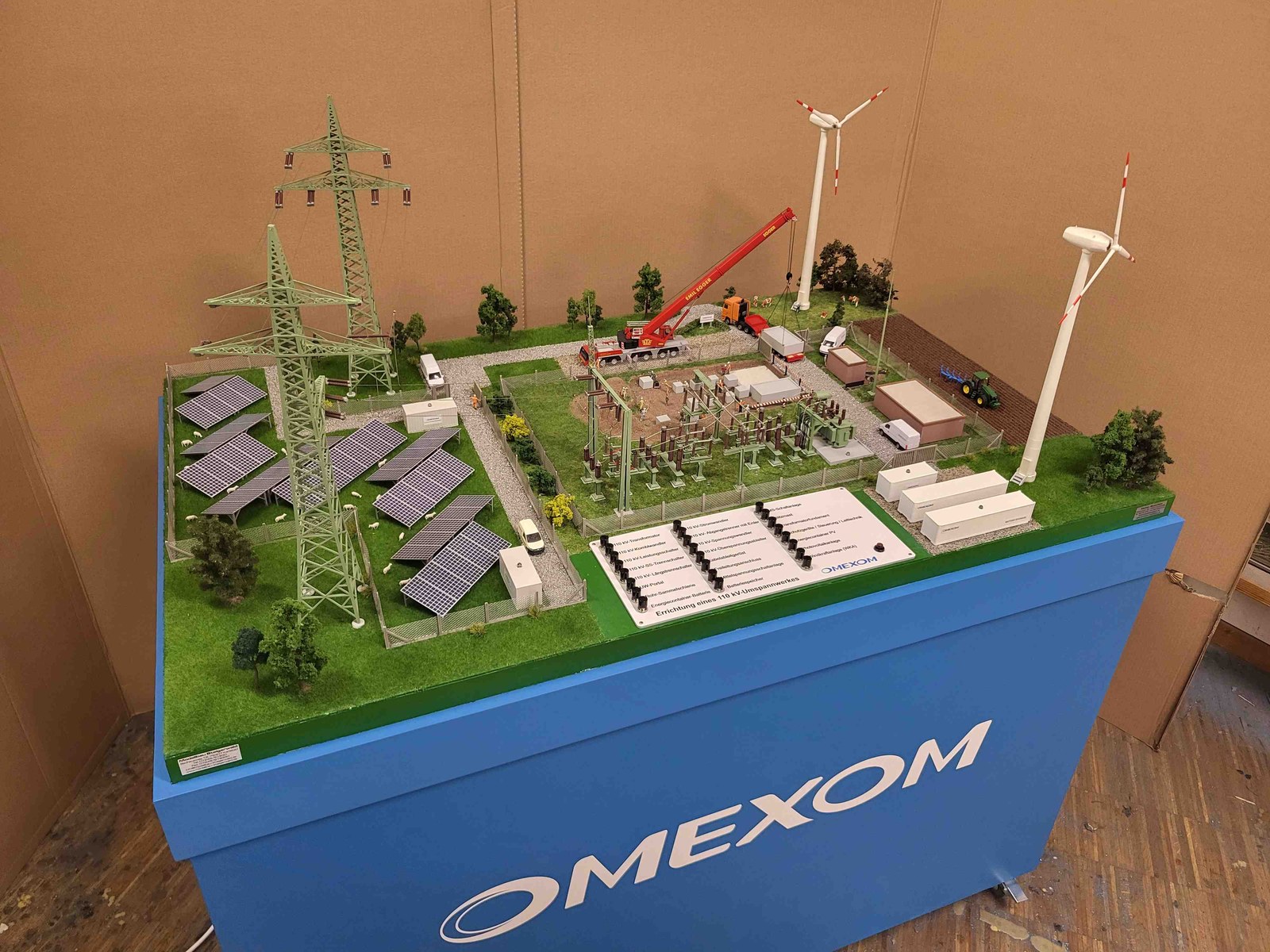
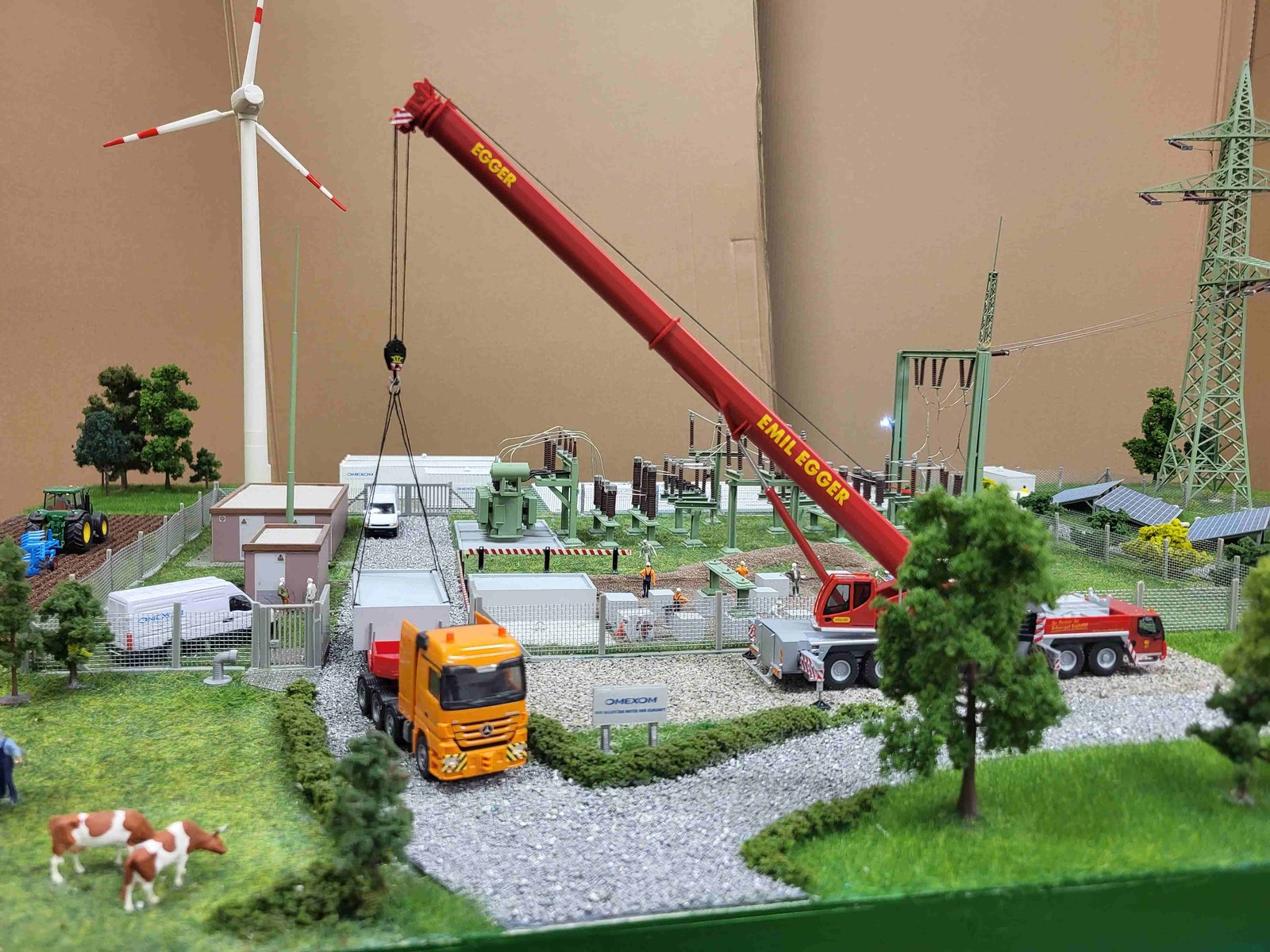
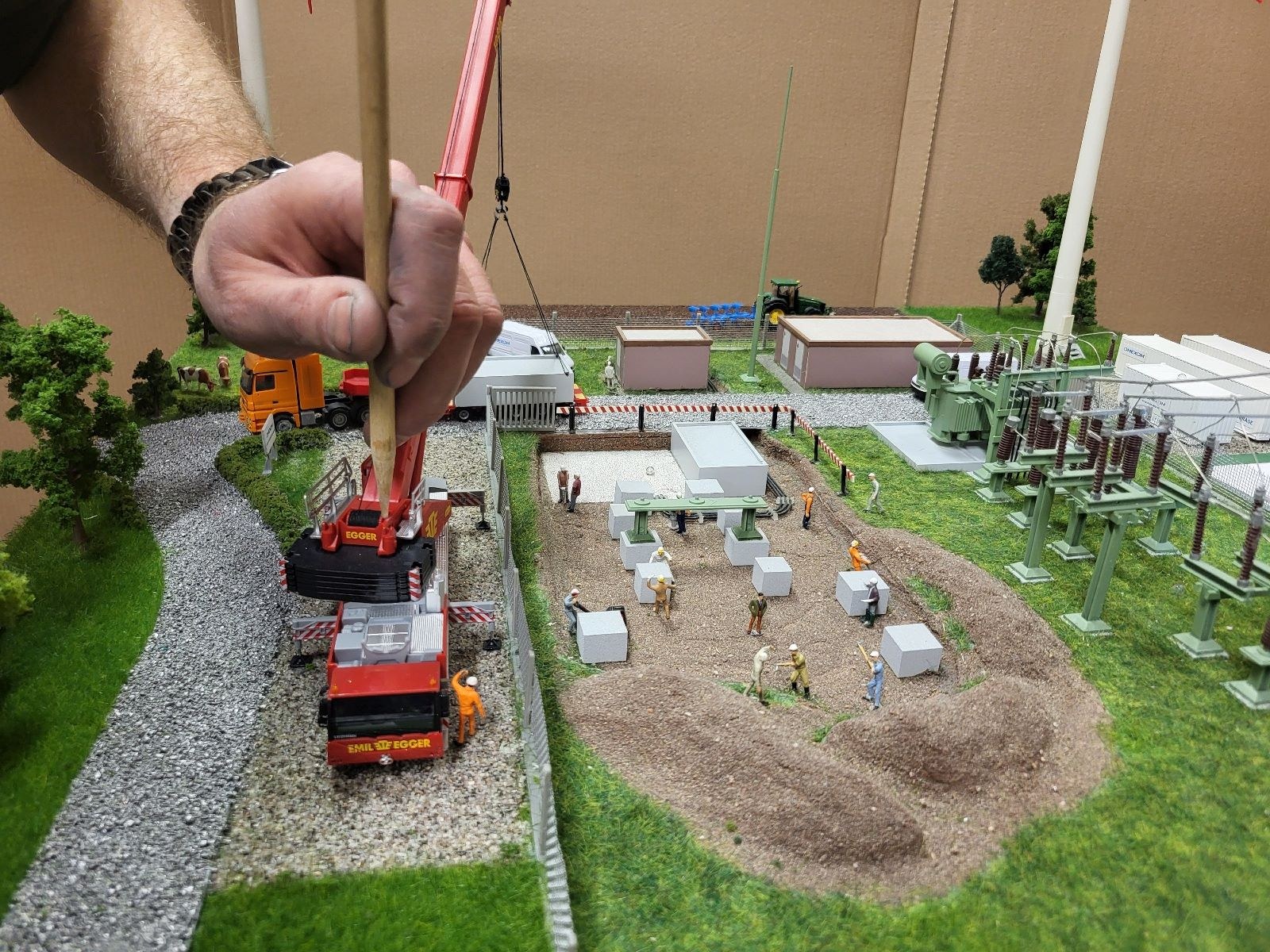
Industrial models make technical facilities, production areas and complex processes visible in a compact form. For projects in Stuttgart and the surrounding business region, buildings, machinery zones, pipework, traffic routes and technical structures can be shown in a simplified or detailed way. The main goal is to make the important functions and relationships easy to understand. These models are useful for trade fairs, client meetings, internal planning and sales presentations. We combine technical clarity with a clean presentation format.
3. Urban planning models:
Urban planning models help assess larger developments in relation to streets, squares, neighbouring buildings and open spaces. In Stuttgart, topography, density and integration into existing districts often play a particularly important role. A city model shows how a new building or district fits into its surroundings. Heights, densities, sight lines and circulation routes can be understood quickly. This makes it easier to compare options and communicate decisions.
4. Context models:
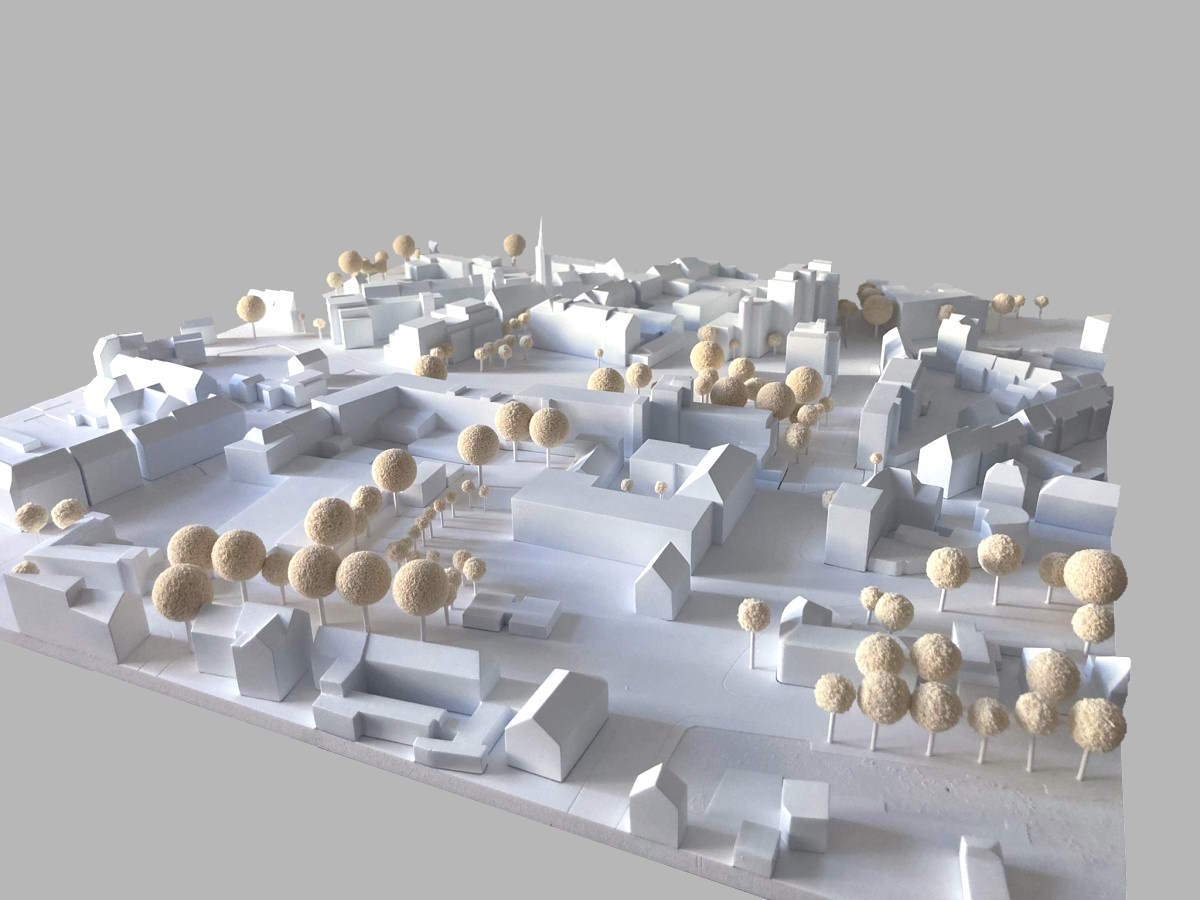
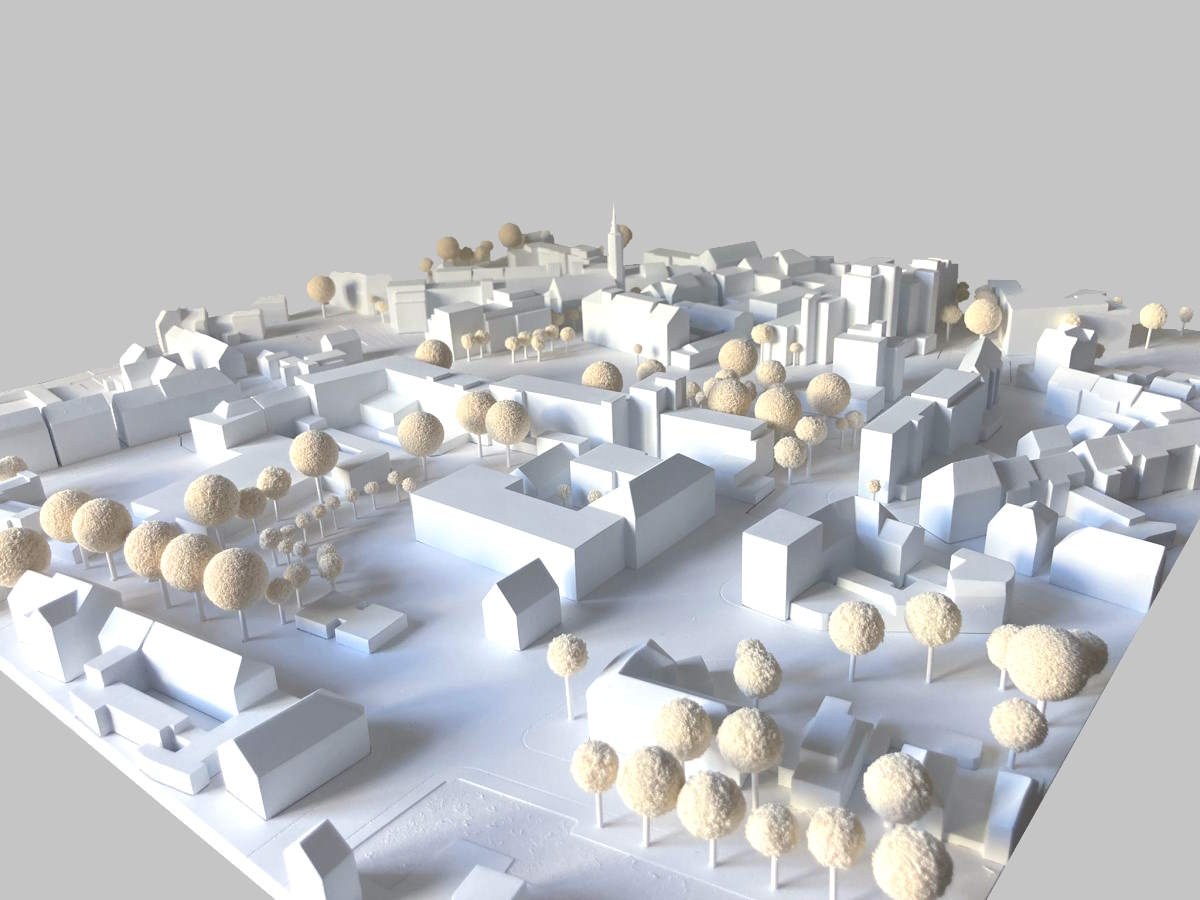
Context models do not show a building in isolation, but together with terrain, neighbouring structures, vegetation and infrastructure. For Stuttgart projects this can be especially useful when slopes, property boundaries, street spaces or adjacent buildings are important. The model helps architects, clients and public stakeholders judge the effect of a design more realistically. Depending on the scale, the surroundings can be simplified or selected areas can be developed in more detail. This creates a clear basis for presentation and coordination.
5. Detailed competition models:
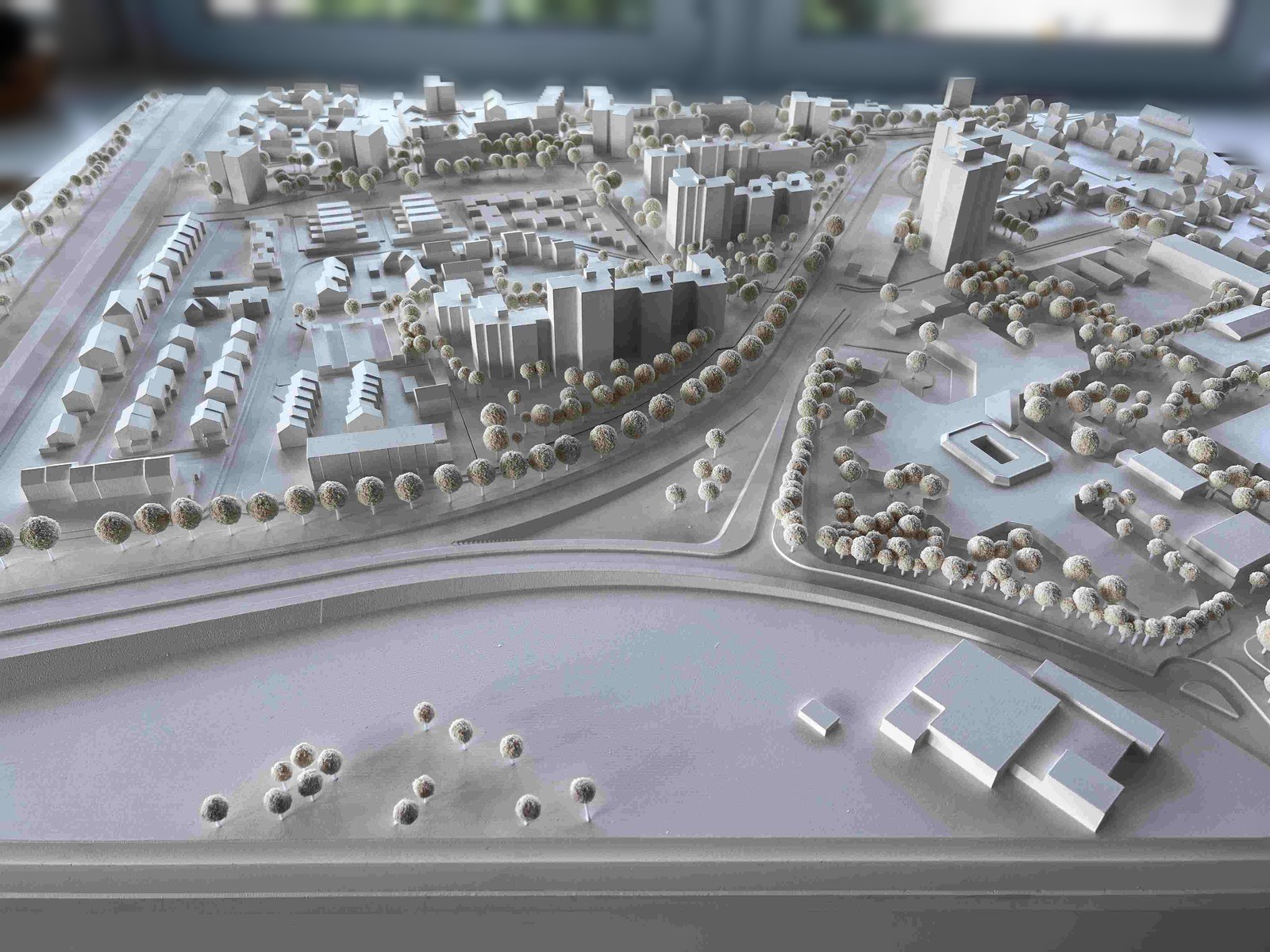
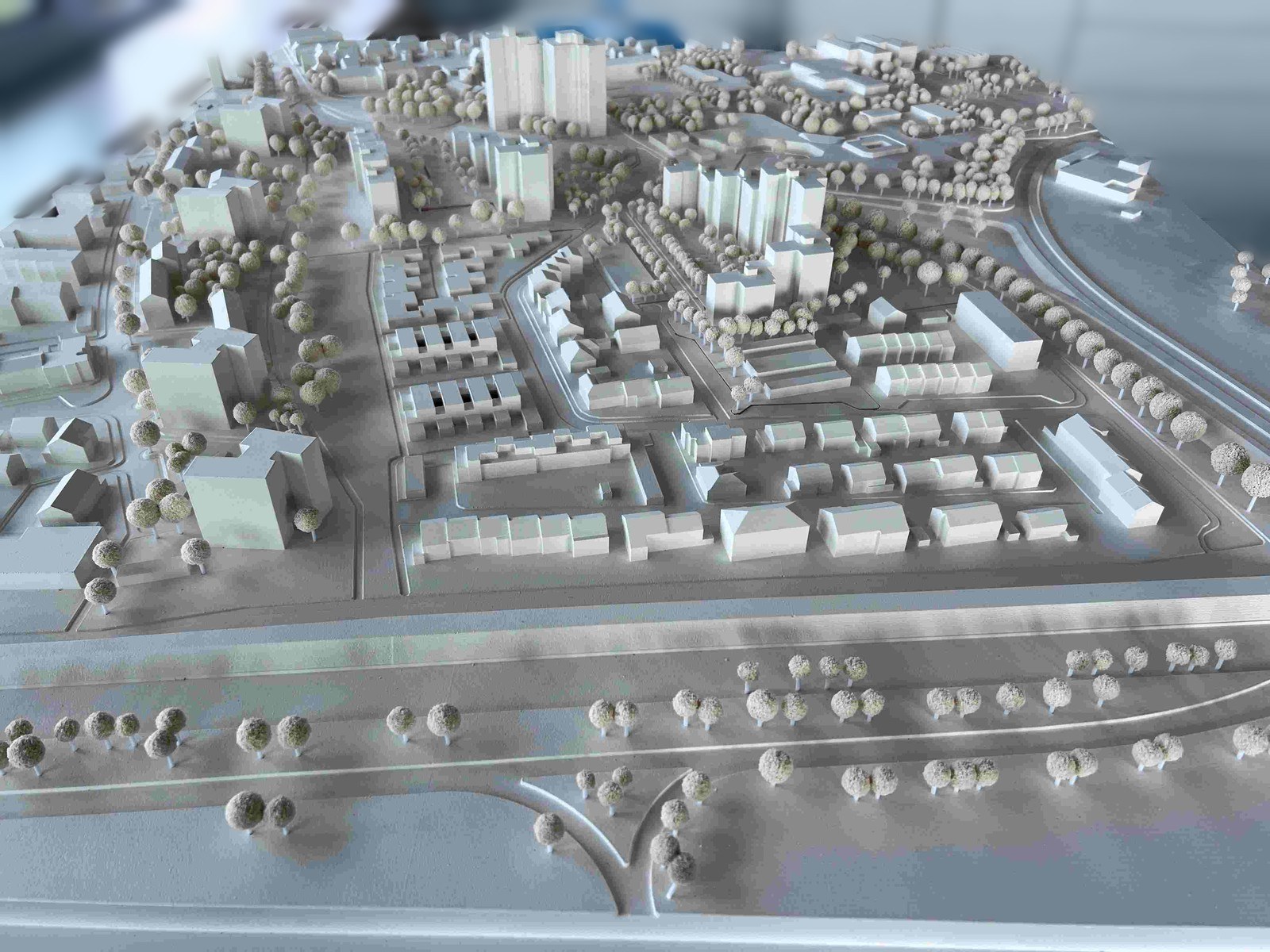
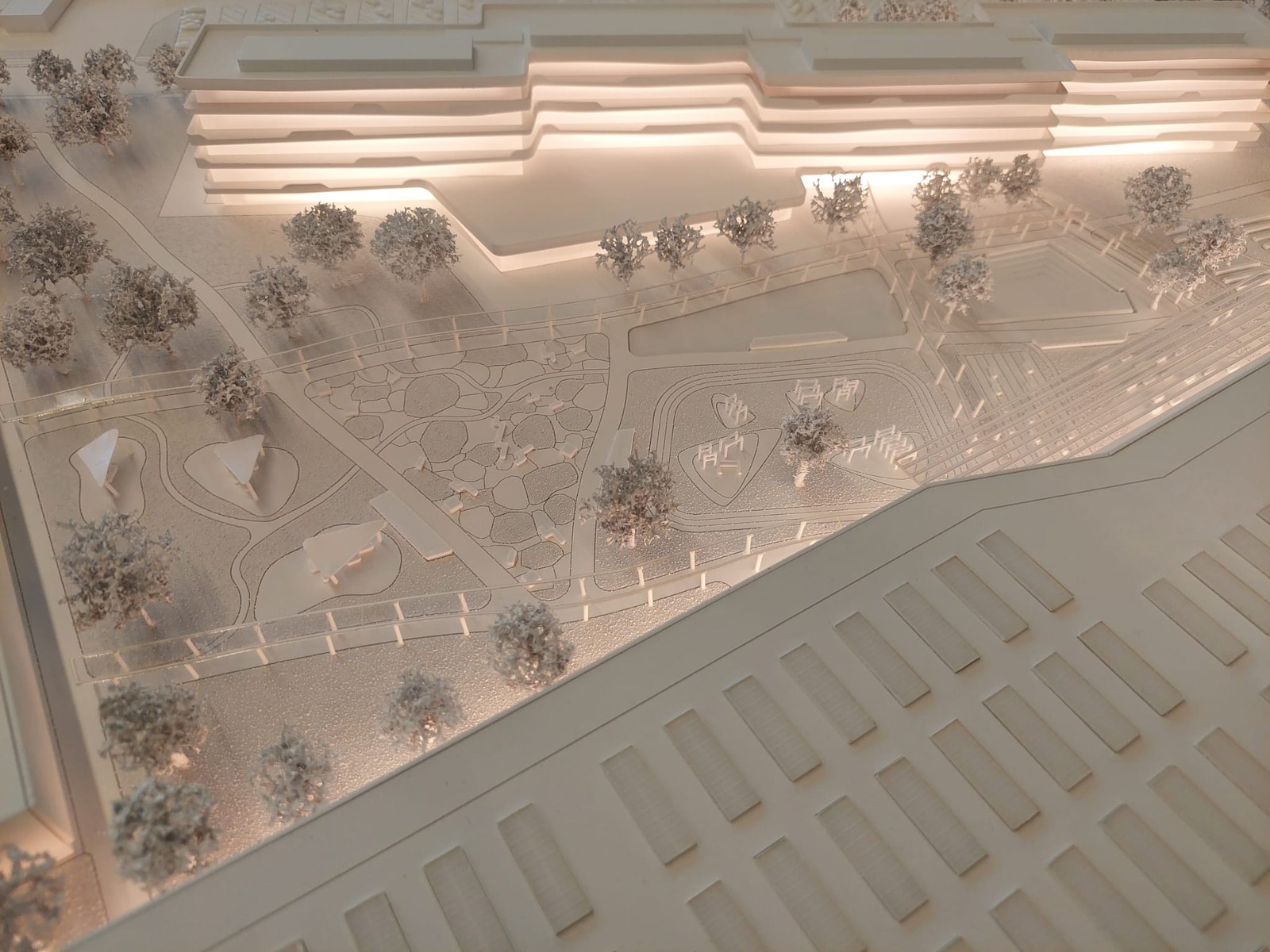
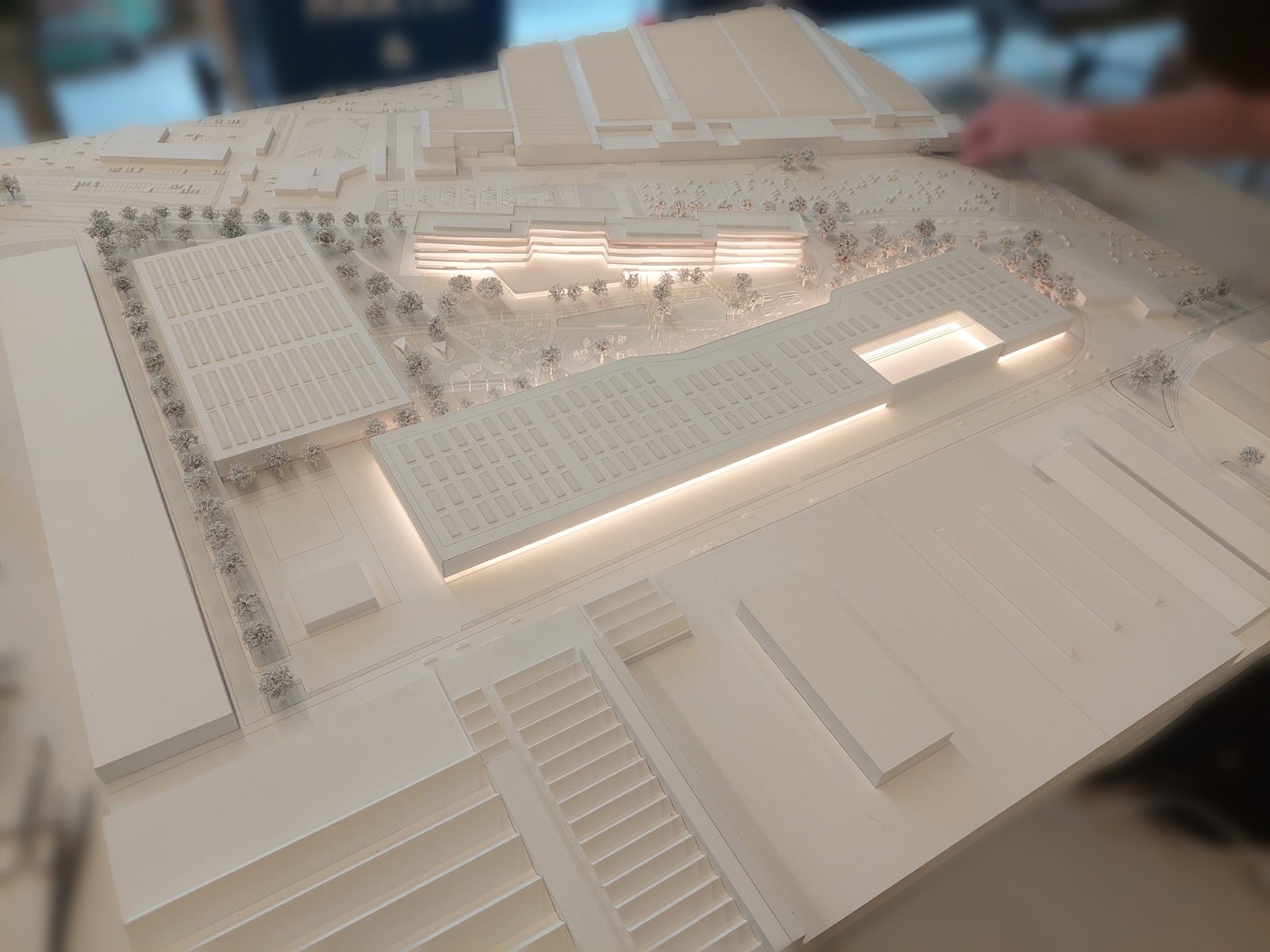
In competition models, the design idea must be communicated quickly and clearly. The model needs to show the spatial quality of the proposal and how it relates to its context. For competitions in Stuttgart, we create models that bring together scale, material effect and design focus with precision. Clean workmanship and a convincing presentation format are essential for juries, clients and project partners. A good competition model supports the design without overloading it.
6. Exhibition models:
Exhibition models need to be robust, understandable and visually engaging because they are often viewed by many visitors. They are suitable for trade fairs, information events, museums, project presentations and sales spaces. In Stuttgart and the surrounding region, these models are often used to make complex information easy to grasp. We plan the presentation so that the most important points are visible without lengthy explanation. Transport, lighting, protective covers, bases and modular construction can be considered from the start.
7. Presentation models:
Presentation models are especially important when a project needs to be communicated clearly and emotionally. They support conversations with investors, buyers, public bodies and project partners. For architectural and real estate projects in Stuttgart, presentation models can show the quality of the design, the atmosphere of the location and the most important spatial relationships. We coordinate level of detail, colour, material effect and scale with the purpose of the presentation. This creates a model that is technically convincing and easy to understand.
8. Multifunctional models:
Multifunctional models can support several tasks at the same time: presentation, explanation, coordination and sometimes interactive use. Depending on the project, individual elements can be removable, illuminated, modular or prepared for different viewing situations. For exhibitions and project presentations in Stuttgart, this flexibility is often a major advantage. One model can address different audiences without needing a separate version for each situation. We develop the technical and visual solution so that the model remains useful over time.
Architectural Model Making Stuttgart – Quality, Precision and Reliable Execution
Our work begins with a review of the available material. This may include drawings, CAD data, renderings, photographs, terrain information or sketches. We then define which scale and level of detail are suitable for the presentation. A competition model often needs a different visual language than a sales model, city model or technical exhibition model. Each project is therefore planned individually and aligned with its later use.
You can find our references here: Architectural model making references. The examples show work from architectural model making, urban planning, presentation models, exhibition models and related fields. They also show how scale, material and level of detail influence the final impression.
Contact Us for Personal Consultation
Would you like to learn how architectural model making in Stuttgart can support your next project? We can discuss which documents are available, which scale is suitable and which presentation format fits your goal. This gives us a clearer basis for estimating the work and developing the right solution for your model.
Architectural Model Making Stuttgart – creativity, precision and delivery across Europe!
Do not lose time, because time is money. Request an architectural model today. For a qualified request, please use our inquiry form, or contact us directly by email or phone. We look forward to your inquiry.
